
Introduction
The idea of training at home has moved from a temporary pandemic-era solution to a genuine long-term lifestyle choice for many Singaporeans. As home workouts have grown in popularity, so too has the concept of conducting personal training sessions at home rather than at a commercial gym. A qualified personal trainer can visit your home, or you can follow a structured remote programme designed specifically for your home setup.
Whether you are considering working with a personal training Singapore professional in your own space, or simply want to complement your gym sessions with effective home training, creating the right environment makes an enormous difference to the quality and consistency of your workouts.
The Case for Home Personal Training in Singapore
Singapore’s busy lifestyle makes the logistics of gym visits a genuine barrier for many people. Commuting to and from a gym, changing, waiting for equipment, and commuting home can easily turn a one-hour workout into a two-and-a-half-hour commitment. For working parents, shift workers, or anyone with an unpredictable schedule, this can make regular gym attendance very difficult to sustain.
Home training eliminates these logistical barriers entirely. Your gym is steps away, available at any hour, and requires no commute. For many Singaporeans, this convenience is the factor that finally makes consistent training achievable. When combined with the guidance of a personal trainer, either in person or online, a home setup can deliver excellent results.
Understanding the Space Challenge in Singapore Homes
Singapore is one of the most densely populated cities in the world, and homes, particularly HDB flats and smaller condominiums, are typically compact. Space is the primary constraint when designing a home gym in Singapore. However, this challenge is far more manageable than most people assume.
A dedicated training space of approximately three by three metres is sufficient for a highly functional home gym. This could be a spare bedroom, a section of the living room, or a covered balcony. The key is choosing equipment that is versatile, compact, and easy to store.
Essential Equipment for a Home Gym in Singapore
Adjustable Dumbbells
A pair of adjustable dumbbells is arguably the single most versatile piece of home gym equipment available. They replace an entire rack of fixed-weight dumbbells and take up minimal space. Brands like Bowflex and PowerBlock offer high-quality adjustable options that work well in Singapore’s humid environment.
Resistance Bands
Resistance bands are inexpensive, lightweight, compact, and extraordinarily versatile. They can be used for warm-up activation exercises, as the primary resistance tool for many movements, and for mobility and stretching work. A set of loop bands and long resistance bands covers an enormous range of exercises.
Pull-Up Bar
A doorframe pull-up bar requires no installation, costs very little, and enables one of the most effective upper body exercises available. Ensure the door frame is structurally suitable before use.
Adjustable Bench or Compact Flat Bench
A bench dramatically expands the exercise variety available with dumbbells. An adjustable bench that folds flat for storage is ideal for smaller Singapore homes.
Kettlebell or Two
A kettlebell or two of different weights adds further variety and enables highly efficient compound movements like swings, goblet squats, and Turkish get-ups that are particularly effective for fat loss and cardiovascular fitness.
Yoga Mat
Essential for floor-based exercises, stretching, and core work. A good quality mat also provides joint cushioning during exercises like kneeling rows and press-ups.
Managing Singapore’s Humidity in a Home Gym
Singapore’s tropical climate creates a specific challenge for home gym owners. High humidity can accelerate the deterioration of equipment, create slippery surfaces, and make training uncomfortable. There are practical solutions to all of these issues.
A portable dehumidifier in your training space will significantly reduce moisture levels and help protect your equipment. A small wall-mounted or standing fan improves air circulation and makes training more comfortable. Store metal equipment away from direct contact with the floor or walls to minimise rust. Clean equipment regularly with a dry cloth after use to remove sweat and moisture.
If you have air conditioning in your training space, using it during sessions will make the environment far more comfortable and protect your equipment, though it adds to energy costs.
Working With a Personal Trainer in Your Home Gym
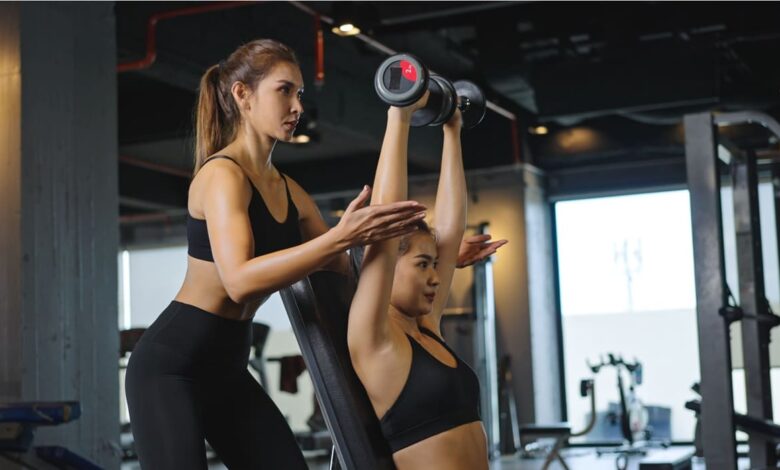
A personal trainer can visit your home and conduct sessions using your existing equipment, or they can design a programme specifically for the equipment you have. This model works well for clients who value privacy, have young children at home, or find the gym environment intimidating or inconvenient.
When working with a home-based personal trainer, ensure you have adequate space for the trainer to move around and demonstrate exercises safely. Inform your trainer about your equipment so they can come prepared with any additional tools such as resistance bands or small accessories that might enhance the session.
The experienced trainers at True Fitness Singapore can advise on home gym setups and help you design a programme that maximises the equipment you have, whether you prefer training at home, at the gym, or a combination of both.
Budget Breakdown for a Singapore Home Gym
A functional home gym in Singapore does not require a massive investment. At the entry level, a basic setup including resistance bands, a yoga mat, and a pull-up bar can be assembled for under $150. A mid-range setup adding adjustable dumbbells and a foldable bench would typically cost between $500 and $1,000. A more comprehensive setup including a kettlebell set, cable system, and quality flooring might run between $1,500 and $3,000.
Second-hand gym equipment is widely available in Singapore through platforms like Carousell, where quality pieces are often available at significant discounts. Many people who purchased equipment during the pandemic and no longer use it regularly list items at very reasonable prices.
Frequently Asked Questions
Can I get a good workout at home without a squat rack or barbell? Absolutely. While barbells and squat racks offer advantages for heavy strength training, a well-equipped home gym using dumbbells, resistance bands, and bodyweight movements can produce excellent results for most fitness goals including fat loss, muscle building, and general fitness.
Is it worth hiring a personal trainer if I only have a small home gym? Yes. A good personal trainer will design a programme optimised for your specific equipment and space. In many cases, creative programming with limited equipment can be more effective than undirected training in a fully-equipped commercial gym.
What flooring is best for a home gym in Singapore? Interlocking rubber or foam tiles are the most practical choice for Singapore homes. They protect the floor, reduce noise that might disturb neighbours, provide cushioning for joints, and are easy to install and remove. They are widely available at hardware stores and online.
How do I prevent my home gym equipment from rusting in Singapore’s humidity? Store metal equipment away from direct moisture, wipe down after each use, apply a light coating of machine oil to bare metal surfaces periodically, and consider using a dehumidifier in your training space. Powder-coated equipment is more rust-resistant than bare metal and worth paying slightly more for.
Can my personal trainer come to my home in Singapore? Many personal trainers in Singapore offer home visit services, though this typically carries a slightly higher rate than gym-based training due to travel time. Discuss this option directly with your trainer when enquiring about their services.