
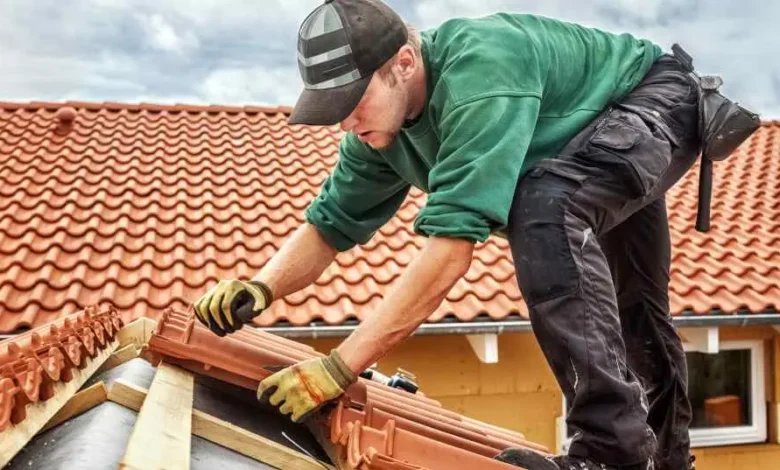
Deciding between roof repair and roof replacement is one of the most important maintenance choices a homeowner can make. Your roof protects the structure of your home, supports energy efficiency, and directly influences resale value. Choosing the right option depends on the age of the roof, the extent of damage, long-term costs, and your future plans for the property.
Understanding when to repair and when to replace helps prevent unnecessary expenses while protecting your investment. This guide explains the differences between both options and how to determine which solution makes the most sense for your home.
Why Roof Condition Matters More Than Many Homeowners Realize
Your roof does more than keep rain out. It protects insulation, framing, ceilings, electrical systems, and interior finishes. Even minor roofing problems can lead to serious structural issues if ignored.
A well-maintained roof helps:
- Prevent water damage
- Improve indoor comfort
- Reduce energy loss
- Maintain home value
- Protect structural integrity
- Increase buyer confidence during resale
Because roofing systems affect multiple parts of the home, early decisions about repair or replacement can prevent larger costs later.
Understanding the Difference Between Roof Repair and Roof Replacement
Roof repair addresses localized issues without replacing the entire roofing system. Replacement involves removing existing materials and installing a completely new roof.
Repairs are typically used for:
- Missing shingles
- Minor leaks
- Flashing damage
- Isolated storm impact
- Small ventilation issues
Replacement becomes necessary when the roof has widespread wear or structural concerns affecting performance across large areas.
Choosing the right option depends on the condition of the entire system rather than a single visible problem.
When Roof Repair Is the Better Choice
Roof repair is often the smarter solution when damage is limited and the roof still has years of usable life remaining.
Repair is usually appropriate when:
- The roof is less than fifteen years old
- Damage affects only small sections
- Leaks are isolated and recent
- Shingles remain structurally sound
- Flashing problems are localized
- Storm damage is limited to one area
Addressing small issues early prevents them from expanding into costly structural repairs.
Timely repairs also extend the lifespan of existing roofing materials without requiring major investment.
Situations Where Roof Replacement Makes More Sense
Roof replacement becomes the better option when repairs would only provide temporary relief or when the roofing system has reached the end of its service life.
Replacement is typically recommended when:
- The roof is nearing its expected lifespan
- Shingles are curling or cracking widely
- Multiple leak areas exist
- Underlayment is deteriorating
- Storm damage affects large sections
- Mold or rot appears beneath roofing layers
Replacing the roof eliminates recurring maintenance problems and improves long-term reliability.
In many cases, repeated repairs eventually cost more than replacement.
How Roof Age Influences the Decision
Roof age plays one of the biggest roles in determining whether repair or replacement is the smarter investment.
Typical lifespan expectations include:
- Asphalt shingles: about twenty to thirty years
- Architectural shingles: about thirty years
- Metal roofing: forty years or more
- Tile roofing: fifty years or longer
If your roof is approaching the end of its expected service life, replacement often provides better value than continued repairs.
Younger roofs usually benefit more from targeted repairs.
Evaluating the Extent of Roof Damage
A professional inspection helps determine whether problems are cosmetic or structural.
Minor damage indicators include:
- Small missing shingle areas
- Limited flashing separation
- Localized water stains
- Minor granule loss
Major damage indicators include:
- Sagging rooflines
- Widespread shingle deterioration
- Soft decking beneath shingles
- Repeated interior leaks
- Persistent moisture in attic spaces
Structural concerns usually justify replacement instead of repair.
Cost Comparison Between Roof Repair and Replacement
Repair costs are typically lower upfront, but replacement often provides better long-term value when damage is extensive.
Roof repair usually involves:
- Lower immediate expense
- Shorter project timeline
- Minimal disruption to daily life
- Targeted material replacement
Roof replacement typically includes:
- Higher initial investment
- Longer installation process
- Improved energy efficiency
- Increased home value
- Longer warranty coverage
Balancing short-term affordability with long-term reliability helps determine the better choice.
How Climate Affects the Repair Versus Replacement Decision
Weather conditions influence how long roofing materials remain effective after repair.
Homes exposed to:
- heavy rainfall
- strong wind
- extreme heat
- snow accumulation
- frequent storms
may benefit more from replacement if the roofing system shows signs of widespread wear.
Climate stress accelerates material deterioration, making replacement a smarter long-term solution in many regions.
Energy Efficiency Benefits of Roof Replacement
Modern roofing materials often provide better insulation performance than older systems.
A replacement roof can improve:
- attic ventilation
- heat reflection
- moisture resistance
- indoor temperature stability
Improved insulation reduces heating and cooling costs throughout the year.
Repairing isolated areas rarely produces the same efficiency improvements as full replacement.
Impact on Home Resale Value
Roof condition strongly influences buyer confidence during property showings.
A newer roof can:
- increase buyer interest
- support stronger offers
- reduce inspection concerns
- shorten time on market
- improve appraisal results
Buyers often view replacement as a sign that the home has been properly maintained.
Minor repairs improve appearance but may not create the same level of reassurance.
Warranty Considerations for Repairs and Replacement
Roof replacement typically includes longer warranty protection compared to repair work.
Replacement warranties may cover:
- materials
- workmanship
- structural components
- ventilation systems
Repairs usually include limited coverage only for the specific corrected area.
Longer warranties provide additional financial protection for homeowners planning to stay in the property long term.
Signs That Temporary Repairs Are No Longer Enough
Some roofing issues continue returning even after multiple repair attempts.
Warning signs that replacement may be necessary include:
- recurring leaks in different areas
- visible daylight through attic boards
- increased energy bills
- sagging roof sections
- widespread shingle loss
Repeated maintenance costs often signal deeper structural concerns.
Replacing the roof eliminates ongoing uncertainty.
The Role of Professional Roof Inspections
Professional inspections provide the most accurate guidance when deciding between repair and replacement.
Inspectors evaluate:
- structural decking condition
- ventilation performance
- flashing installation
- moisture intrusion patterns
- insulation effectiveness
Inspection reports help homeowners make informed decisions based on actual system condition rather than surface appearance alone.
Reliable assessments prevent unnecessary spending.
How Long Each Option Typically Takes
Project timelines vary depending on roof size and complexity.
Repair projects often take:
- a few hours to one day
Replacement projects typically take:
- one to three days for average homes
Faster completion timelines make repair attractive when damage is limited and urgent correction is needed.
Replacement timelines are longer but provide more comprehensive protection.
Insurance Coverage and Roofing Decisions
Insurance policies sometimes influence whether repair or replacement becomes the practical choice.
Coverage may apply when damage results from:
- hail storms
- wind events
- falling debris
- sudden accidents
Insurance adjusters evaluate whether repair restores performance adequately or if replacement is necessary.
Understanding your policy helps guide financial planning before starting roofing work.
Long-Term Maintenance Considerations
Repairing isolated issues may extend roof life temporarily, but replacement simplifies future maintenance planning.
Replacement benefits include:
- predictable performance
- fewer emergency repairs
- improved drainage systems
- updated flashing installation
- stronger structural protection
Reduced maintenance needs make replacement attractive for homeowners planning long-term occupancy.
Choosing the Right Option for Your Situation
The decision between repair and replacement depends on several combined factors rather than a single issue.
Important considerations include:
- roof age
- extent of damage
- long-term plans for the home
- local climate conditions
- inspection findings
- budget availability
Balancing these factors helps ensure the chosen solution supports both immediate needs and future reliability.
Final Thoughts
Roof repair and roof replacement each serve important roles in maintaining a safe and efficient home. Repairs work best when damage is limited and the roofing system remains structurally sound. Replacement becomes the smarter investment when wear is widespread or the roof approaches the end of its service life.
Careful evaluation of roof condition, long-term goals, and inspection results allows homeowners to choose the option that protects both their property and their budget.
Frequently Asked Questions
How often should a roof be inspected to catch problems early
Most roofs should be professionally inspected at least once every one to two years and after major storms.
Can replacing only half of a roof be a practical solution
Partial replacement is sometimes possible but may create appearance differences and uneven aging between sections.
Does a new roof improve home insurance rates
Some insurance providers offer lower premiums for homes with recently installed roofing systems that reduce risk exposure.
Are metal roofs easier to repair than asphalt shingle roofs
Metal roofs can be durable but often require specialized repair techniques depending on panel design and installation method.
Is it possible to install a new roof over existing shingles
In some cases layered installation is allowed, but removing old shingles usually provides better long-term performance.
What role does attic ventilation play in roof lifespan
Proper ventilation prevents moisture buildup and heat accumulation that can shorten roofing material durability.
Should homeowners replace gutters when replacing a roof
Gutters do not always require replacement, but inspecting them during roofing projects helps ensure proper drainage performance.