

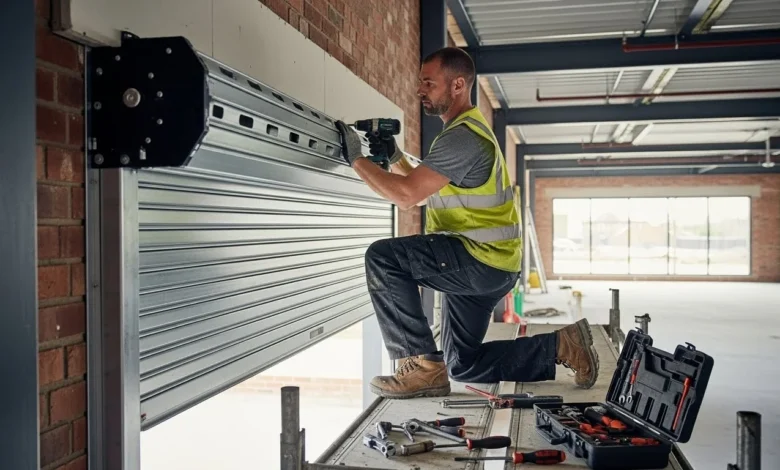
Security, durability, and operational efficiency are essential for any commercial property. Whether you manage a warehouse, retail storefront, restaurant, or industrial facility, protecting your assets while maintaining accessibility is a constant priority. One of the most effective solutions businesses rely on today is commercial roller shutters, which combine physical protection with practical functionality.
Beyond security, these systems also contribute to energy efficiency, privacy control, noise reduction, and overall property value. Understanding how they work, the different types available, and what to consider before installation can help you make a confident investment decision for your business.
What Are Commercial Roller Shutters?
Commercial roller shutters are heavy duty door or barrier systems made from interlocking slats that roll vertically into a compact housing above the opening. They are commonly installed on storefronts, loading docks, service entrances, and warehouse bays.
Unlike standard doors, roller shutters are engineered to handle higher usage levels and withstand environmental stress, attempted break ins, and daily operational demands. They can be operated manually or with electric motors, depending on the size and purpose of the installation.
Core Components
To better understand their function, it helps to break down their primary parts:
-
Curtain or Slats: The interlocking metal panels that form the main barrier
-
Guide Rails: Vertical tracks that ensure smooth up and down movement
-
Barrel or Drum: The mechanism around which the shutter rolls
-
Motor or Manual Chain System: Controls opening and closing
-
Bottom Rail: Reinforces the base and may include locking features
Each component plays a role in ensuring durability and consistent performance.
Why Businesses Choose Roller Shutters
Business owners are often balancing security needs with operational efficiency. Roller shutters provide a combination of benefits that traditional doors may not offer.
Enhanced Security
Security is the primary reason most commercial properties install roller shutters. The strong metal construction acts as a visible deterrent and a physical barrier.
Benefits include:
-
Resistance to forced entry
-
Protection against vandalism
-
Reinforced locking systems
-
Shielding glass storefronts after business hours
For retail stores in high traffic areas, this additional layer of defense can significantly reduce risk.
Weather Protection
Commercial properties are exposed to harsh weather conditions, including heavy rain, wind, and extreme heat. Roller shutters provide:
-
Protection from storm debris
-
Reduced water intrusion
-
Insulation against temperature fluctuations
-
Shielding from direct sunlight
Businesses in coastal or hurricane prone regions often rely on reinforced shutters for added storm defense.
Energy Efficiency
Energy costs can be substantial for large commercial spaces. Insulated roller shutters help regulate indoor temperatures by minimizing heat transfer.
This can result in:
-
Lower heating and cooling expenses
-
Improved comfort for staff and customers
-
Reduced strain on HVAC systems
Over time, these savings can offset part of the installation investment.
Noise Reduction
Warehouses and industrial facilities often generate significant noise. Roller shutters with insulated cores can reduce sound transmission between interior and exterior spaces. This is especially useful for businesses located in mixed use zones where noise control regulations apply.
Types of Commercial Roller Shutters
Selecting the right shutter system depends on your industry, building structure, and operational needs.
Solid Steel Shutters
Solid steel shutters are the most secure option. They are commonly used in:
-
Warehouses
-
Industrial units
-
High value retail stores
-
Storage facilities
They provide maximum protection but do not allow visibility when closed.
Perforated Shutters
Perforated shutters contain small holes that allow limited visibility and airflow. Retail businesses often use them to display products after closing while maintaining security.
They are ideal for:
-
Shopping malls
-
Display storefronts
-
Food service counters
Aluminum Shutters
Aluminum models are lighter than steel but still provide solid security. They are resistant to corrosion, making them suitable for humid or coastal environments.
Advantages include:
-
Reduced strain on motors
-
Smooth operation
-
Lower maintenance requirements
Fire Rated Shutters
Fire rated shutters are designed to slow the spread of fire and smoke within a building. They are often required by local building codes in certain commercial properties.
They help:
-
Protect escape routes
-
Contain fire within specific zones
-
Support compliance with fire safety regulations
Manual vs Motorized Operation
Choosing between manual and motorized shutters depends on frequency of use and opening size.
Manual Systems
Manual shutters typically use a chain hoist or crank mechanism. They are best for:
-
Smaller openings
-
Lower frequency use
-
Budget conscious installations
They require physical effort but are reliable and cost effective.
Motorized Systems
Motorized shutters operate with wall switches, remote controls, or smart automation systems. These are preferred for:
-
Large warehouse doors
-
High traffic retail stores
-
Facilities requiring quick access
Motorized systems improve efficiency and reduce wear caused by manual handling.
Key Factors to Consider Before Installation
Investing in roller shutters involves more than selecting a material. Several practical considerations can impact performance and longevity.
Security Requirements
Assess the level of risk associated with your location and business type. A jewelry store, for example, may require reinforced steel with advanced locking systems, while a small office may prioritize privacy and weather protection.
Building Structure
Not all buildings are designed the same. Measure:
-
Opening width and height
-
Available headroom for the barrel
-
Structural support for guide rails
A professional site survey ensures compatibility.
Frequency of Use
High cycle environments require durable motors and reinforced components. Warehouses with constant loading and unloading operations need systems built for repeated daily use.
Maintenance Accessibility
Consider how easy it will be to access internal components for servicing. Regular maintenance extends the lifespan of the system and prevents unexpected downtime.
Installation Process Overview
While installation should always be handled by experienced technicians, understanding the general process helps you plan accordingly.
-
Site Inspection and Measurements
-
Customization and Fabrication
-
Mounting Guide Rails
-
Installing the Barrel and Curtain
-
Motor Wiring and Testing
-
Final Safety Checks and Calibration
Improper installation can compromise security and reduce operational lifespan.
Maintenance and Long Term Care
Commercial roller shutters are built for durability, but neglect can shorten their lifespan.
Routine Maintenance Checklist
-
Inspect slats for dents or damage
-
Clean guide rails to prevent debris buildup
-
Lubricate moving parts periodically
-
Test motor function and safety features
-
Check locking mechanisms
Scheduling professional inspections at least once a year helps identify potential issues before they become costly repairs.
Common Issues to Watch For
-
Uneven movement during operation
-
Unusual grinding or rattling noises
-
Delayed motor response
-
Visible rust or corrosion
Addressing minor problems early prevents larger mechanical failures.
Cost Considerations
Pricing varies based on:
-
Material selection
-
Size of opening
-
Manual versus motorized operation
-
Insulation or fire rating requirements
-
Installation complexity
While initial costs may seem significant, the long term benefits in security, energy savings, and asset protection often justify the investment.
Industry Specific Applications
Different industries rely on roller shutters in unique ways.
Retail Stores
Retail businesses benefit from enhanced security and after hours product visibility with perforated designs.
Warehouses and Logistics
High speed motorized shutters support efficient loading dock operations and protect valuable inventory.
Restaurants and Cafes
Service counters and outdoor kiosks use compact shutters for secure closure after operating hours.
Healthcare Facilities
Hospitals and clinics may use fire rated shutters to maintain compliance and safety standards.
Frequently Asked Questions
How long do commercial roller shutters typically last?
With proper maintenance, high quality roller shutters can last 15 to 25 years. Longevity depends on usage frequency, environmental exposure, and routine servicing.
Can roller shutters be integrated with access control systems?
Yes, many motorized systems can connect to keycard entry systems, keypad controls, and building management platforms. This is particularly useful for facilities requiring restricted access.
Are roller shutters suitable for glass storefronts?
Absolutely. In fact, they are commonly installed over glass to provide added security without permanently altering the storefront design.
What happens during a power outage?
Motorized shutters can include manual override systems or battery backup options to ensure operation during power failures. It is important to discuss this feature during the planning phase.
Do roller shutters require building permits?
Permit requirements vary by location and building type. Fire rated shutters and exterior installations often require approval from local authorities. Always consult with a licensed contractor familiar with local regulations.
Can shutters be customized with branding or color?
Yes, many manufacturers offer powder coating and custom color options. Businesses can match shutters to brand colors or building aesthetics without compromising functionality.
Are they safe for employees to operate?
When properly installed with safety sensors and maintained regularly, roller shutters are safe for daily operation. Training staff on correct usage procedures further reduces risk.
How quickly can installation be completed?
Most standard installations are completed within one to two days, depending on size and complexity. Custom projects or structural modifications may extend the timeline.
Choosing the right roller shutter system is a strategic decision that influences security, efficiency, and operational reliability. By evaluating your specific needs and working with experienced professionals, you can ensure that your investment delivers long term value and dependable protection for your commercial property.