

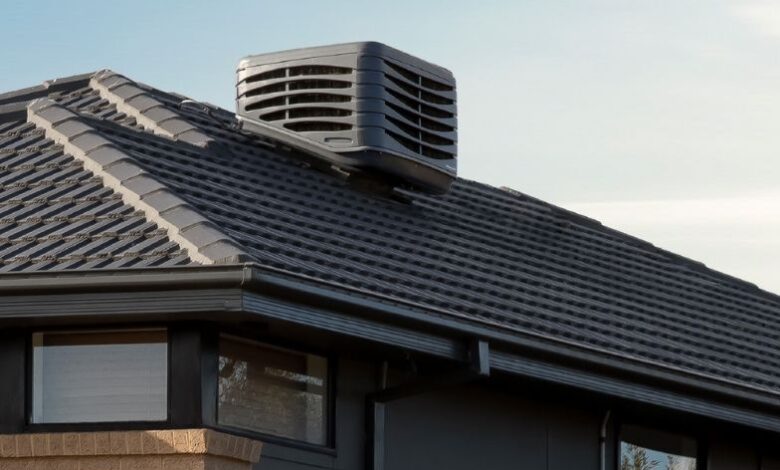
Choosing cooling for your Mandurah home involves more than comparing brands or picking the lowest installation quote. The right system needs to suit your floor plan, your comfort preferences and the way your household lives. A family that enjoys open windows and a steady breeze may want something quite different from someone who needs a quiet, closed bedroom for daytime sleep.
If you are exploring Mandurah air conditioning options, understanding the difference between evaporative and refrigerated cooling is a useful starting point. Both can make a home more comfortable, but they work differently. Humidity, ventilation, room layout and daily usage all influence which option will serve you better.
Before making a decision, think about where you need cooling most, when those rooms are occupied and whether you also want winter heating. Those practical details are often more useful than a long list of product features.
Start With the Kind of Comfort You Want
Some people feel comfortable when air moves continuously through the house. They enjoy an open, ventilated atmosphere and are happy to leave selected windows partly open. Evaporative cooling can suit that preference because it draws outside air through the system and moves it through the home.
Others want a controlled indoor temperature, especially when working, relaxing or sleeping. They prefer to close windows, reduce outside noise and keep individual rooms comfortable. Refrigerated cooling generally suits this approach, provided the system and airflow arrangements are designed for those rooms.
Neither preference is unusual. The key is choosing a system that supports your existing routine without requiring compromises you will find frustrating every day.
How Evaporative Cooling Works
A typical ducted evaporative cooler draws outside air through water-soaked pads. As some of the water evaporates, it absorbs heat and lowers the air temperature. A fan then distributes that cooled air through ceiling outlets.
Because the system continually introduces outside air, indoor air needs somewhere to escape. Selected windows, doors or purpose-designed relief openings provide that exit path. Closing every opening restricts airflow and allows moisture to accumulate, reducing comfort.
Why Humidity Makes a Difference
Evaporative cooling performs best when the incoming air is dry enough to absorb more moisture. As outdoor humidity rises, evaporation becomes less effective and the system has less ability to lower the air temperature. Increasing fan speed may improve air movement, but it cannot remove this underlying limitation.
This distinction matters when comparing performance on a dry afternoon with performance during a muggy evening. The same unit can feel noticeably different as conditions change. It also adds moisture to the incoming air, so it cannot provide the dehumidifying effect of refrigerated cooling.
Where Evaporative Cooling Fits Well
Evaporative cooling can work well for households that enjoy moving air, spend much of the day in connected living spaces and can maintain suitable ventilation. A home with practical exit openings in occupied rooms gives the airflow somewhere useful to go.
However, an open-plan layout alone does not guarantee good performance. Outlet positions, duct design, pad condition and the available exhaust openings all matter. Ask an installer to explain how air will travel through your actual home.
How Refrigerated Cooling Works
Refrigerated air conditioning uses a refrigerant circuit to absorb heat indoors and release it outdoors. Unlike evaporative cooling, it does not rely on evaporating water into the supply air. During cooling, moisture can condense on the indoor coil and drain away, helping reduce indoor humidity.
Common options include a wall-mounted split system for an individual room, a multi-split arrangement with several indoor units and ducted refrigerated cooling serving multiple spaces. Reverse-cycle models can also provide heating, making them useful beyond summer.
What to Expect Indoors
Refrigerated cooling offers more direct temperature control and is generally better suited to households that want comfort with external doors and windows closed. Its performance still depends on correct sizing, installation quality and the amount of heat entering the building.
A west-facing room with large windows may need a different approach from a shaded bedroom of the same floor area. An installer should assess those differences before recommending capacity or promising a particular result.
Closed Bedrooms Still Need the Right Airflow Design
A bedroom with its own split system can usually be cooled with the door closed because the indoor unit circulates air within that room. Ducted systems require more careful planning. If the return-air grille is in a hallway, air supplied to a closed bedroom still needs a suitable route back.
Depending on the design, this may involve a transfer grille, an appropriate door clearance or another return-air arrangement. Tell your installer which doors you intend to close overnight so the system can be designed around that routine.
What Mandurah Households Should Consider
Rather than choosing from the suburb name alone, consider the conditions at your property and the times you need cooling. A useful assessment looks at sun exposure, nearby obstructions, window placement, insulation and the household’s preferred indoor conditions.
For an evaporative system, ask what level of comfort is realistic during humid weather as well as dry heat. For refrigerated cooling, ask how the proposed unit will handle the rooms with the highest cooling demand. A recommendation should explain the limitations alongside the benefits.
Think about everyday practicalities too. Can you leave suitable windows partly open while sleeping? Do traffic noise or privacy concerns make that inconvenient? Does someone work from a small home office while the rest of the house is empty? Your answers can make one system a more natural fit.
Compare the Full Cost of Ownership
The cheapest installation is not automatically the best value. Compare the upfront quote with expected electricity use, water consumption, servicing and any separate heating costs. Most importantly, compare options that deliver comfort to the rooms you actually use.
Evaporative Cooling Costs
Evaporative systems generally use less electricity than a comparable whole-home refrigerated setup because their main electrical components are a fan and water pump. They also consume water, which needs to be included in the running-cost calculation.
Ask about the proposed model’s power demand, water use and servicing requirements. Broad claims about low running costs are less useful if the system cannot provide the comfort you need during the conditions that bother you most.
Refrigerated Cooling Costs
Refrigerated running costs vary with the unit’s efficiency, thermostat setting, outdoor conditions and operating hours. Cooling a single occupied room with an efficient split system is a different task from cooling an entire house through ductwork.
Zoning can help match cooling to occupancy, but it needs to work within the equipment’s airflow requirements. Ask which zones can operate independently and whether a minimum number of outlets must remain active.
Make Quotes Comparable
Request itemised quotes covering the equipment, installation, controls, ductwork where applicable and any electrical work. If winter comfort matters, include the cost of heating in your comparison. A reverse-cycle system may cover both needs, while a standard evaporative cooler requires a separate heating solution.
Match the System to Your Daily Routine
For Open Living Areas and Frequent Entertaining
If your household enjoys a breezy atmosphere and moves regularly between connected indoor spaces, evaporative cooling may suit your habits. The important detail is maintaining the ventilation pattern recommended for the system, rather than assuming every door should be wide open.
Refrigerated cooling can also serve a large living area, but frequent opening of external doors increases its workload. Consider whether you can close off the conditioned area during the hottest periods.
For Bedrooms and Shift Workers
Sleeping comfort deserves its own discussion. Someone sleeping during the day may need closed windows for noise control, while a family may want different bedroom temperatures at night. Refrigerated options often provide a better match for those requirements.
Check indoor noise specifications, airflow direction and control placement before choosing equipment. A system should make the room comfortable without directing a strong stream of air across the bed.
For Home Offices and Smaller Households
If only one room is occupied for much of the day, targeted cooling deserves consideration. A suitably sized split system may be more practical than operating a whole-home system for a single desk or bedroom.
Describe a normal weekday to your installer, including when people leave, which rooms remain occupied and when everyone returns. This helps establish whether individual units or a carefully designed ducted system make more sense.
Improve the Home Before Increasing Cooling Capacity
Both systems benefit when the building absorbs less unwanted heat. Shade exposed windows, use blinds or curtains before afternoon sun heats the rooms and review ceiling insulation where practical. These changes can improve comfort and reduce the workload placed on cooling equipment.
Ventilation needs to match the technology. With refrigerated cooling, close external doors and windows while the system is operating. With evaporative cooling, retain the deliberate exhaust openings the installer specifies. Sealing every opening while an evaporative cooler runs can undermine its performance.
Fans can improve personal comfort, but they do not lower room temperature on their own. Use them where people are sitting or sleeping, and keep supply outlets and return-air grilles unobstructed.
Plan for Maintenance From the Start
An evaporative cooler needs attention to its pads, water distribution, pump and drainage arrangements. Mineral deposits and dirt can affect airflow and water distribution, so follow the manufacturer’s cleaning and servicing instructions. Professional access is especially relevant for roof-mounted equipment.
Refrigerated systems need clean filters, unobstructed airflow and appropriate servicing of coils, drains and other components. Keep the outdoor unit clear of stored items and vegetation. Filter cleaning frequency depends on the model, usage and household conditions.
Ask about routine maintenance, likely replacement parts and service access before installation. Equipment that is difficult to reach can make ongoing care less convenient.
Get Advice Based on Your Home
A useful assessment should explain how the recommended system will serve your busiest living spaces, your bedrooms and any rooms with demanding sun exposure. It should also address ventilation, noise, controls and how performance may change with outdoor conditions.
If you would like help comparing options, iBreeze is a starting point for discussing your floor plan and comfort priorities. Bring details of your existing heating, typical occupancy and any rooms that are consistently difficult to cool. This gives the conversation a practical focus.
Evaporative cooling is worth considering when you value fresh airflow, can provide suitable ventilation and accept weather-dependent performance. Refrigerated cooling is generally the stronger fit when temperature control, humidity reduction and closed-window comfort matter most. The right choice is the one that meets those priorities within your budget and your home’s design.
Frequently Asked Questions
Can I Run Evaporative Cooling With All the Windows Closed?
A typical ducted evaporative system requires a suitable air exit path. This usually means opening selected windows or using purpose-designed relief openings. Follow the installer’s instructions on where and how much to open, rather than closing the house completely.
Does Refrigerated Cooling Work With Windows Open?
It can continue operating, but incoming warm air and escaping cooled air add to the load. Closing external doors and windows in the conditioned area generally improves performance. Normal household ventilation still needs consideration when the system is not cooling.
Which System Is Better During Humid Weather?
Refrigerated cooling is generally better suited to humid conditions because it can remove moisture while cooling. Evaporative cooling adds moisture, and its ability to reduce temperature decreases as the incoming air becomes more humid.
Which Option Makes Sense for One or Two Rooms?
Individual refrigerated split systems are often a practical starting point for targeted cooling. Compare the room requirements, installation options and expected usage before choosing between separate units, a multi-split arrangement or ducted cooling.
Can Either System Also Heat My Home?
A standard evaporative cooler does not provide heating. A refrigerated system can provide both heating and cooling if it is a reverse-cycle model. Confirm the model’s functions and heating capacity when comparing quotes.
What Is the Biggest Mistake to Avoid?
Choosing solely on installation price without considering daily use. A system that conflicts with your ventilation preferences, bedroom routine or room layout may disappoint even if the equipment itself works correctly. Assess those needs before selecting a model.


