
Your roof plays one of the most critical roles in protecting your home from weather damage, structural deterioration, and energy loss. Yet many homeowners overlook routine roof care until a visible problem appears. With proper maintenance and early intervention, most roofing systems can last significantly longer than their minimum expected lifespan.
Extending the life of your roof reduces long-term expenses, improves indoor comfort, protects property value, and prevents unexpected repairs. Understanding how to maintain roofing materials properly helps ensure your home stays protected year after year.
Why Roof Maintenance Matters More Than You Think
Roofing systems face constant exposure to sun, wind, rain, and temperature changes. Over time, even small issues can weaken protective layers and lead to costly damage inside the home.
Routine maintenance helps:
- Prevent moisture intrusion
- Preserve insulation performance
- Reduce structural stress
- Improve ventilation efficiency
- Maintain curb appeal
- Extend replacement timelines
Regular attention keeps minor problems from developing into expensive structural repairs.
Schedule Routine Roof Inspections
Professional inspections identify early warning signs that homeowners may not notice from ground level.
Recommended inspection timing includes:
- Once every year
- After severe storms
- Before winter begins
- After heavy wind events
Inspectors evaluate flashing, shingles, drainage systems, ventilation, and structural integrity.
Early detection allows targeted repairs that extend roof lifespan significantly.
Keep Gutters Clean and Functional
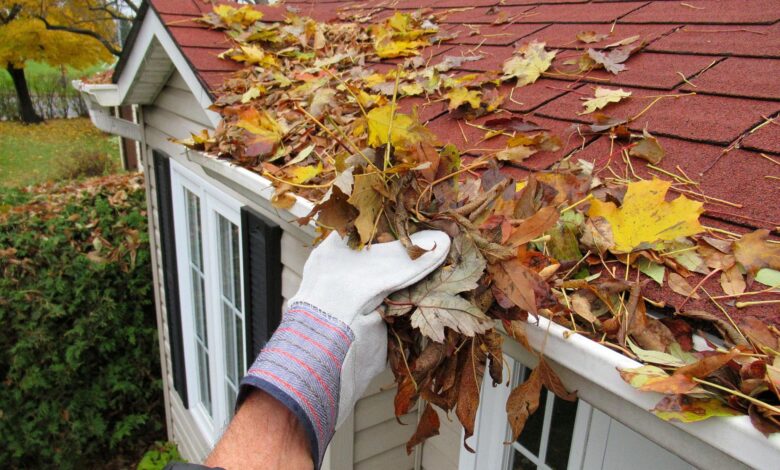
Clogged gutters are one of the most common causes of premature roof deterioration. When water cannot drain properly, it backs up beneath shingles and damages roofing layers.
Cleaning gutters regularly helps:
- Prevent water pooling
- Protect fascia boards
- Reduce mold growth
- Avoid ice dam formation
- Preserve siding condition
Removing debris at least twice per year keeps drainage systems working efficiently.
Homes surrounded by trees may require more frequent cleaning.
Trim Overhanging Tree Branches
Branches that extend over the roof create multiple maintenance risks.
They can:
- Scratch shingles during wind events
- Drop debris that traps moisture
- Encourage pest access
- Increase leaf buildup in gutters
- Cause structural impact during storms
Keeping branches trimmed reduces physical stress on roofing materials.
Improved airflow around the roof surface also supports faster drying after rainfall.
Address Minor Repairs Immediately
Small roofing issues often appear harmless at first but can expand quickly if ignored.
Common early repair needs include:
- Loose shingles
- Minor flashing separation
- Small leaks near vents
- Nail pops
- Sealant deterioration
Fixing these problems early prevents water intrusion beneath protective layers.
Timely repairs are one of the most effective ways to extend roof lifespan.
Maintain Proper Attic Ventilation
Ventilation plays a major role in roofing durability. Poor airflow allows heat and moisture to accumulate beneath roofing materials, weakening structural components over time.
Effective ventilation helps:
- Reduce attic heat buildup
- Prevent condensation damage
- Protect insulation performance
- Limit mold growth
- Preserve shingle integrity
Balanced intake and exhaust airflow keeps roofing materials stable across changing seasons.
Ventilation improvements often extend roof life without major construction changes.
Prevent Ice Dams During Cold Weather
In colder climates, ice dams form when melting snow refreezes near roof edges. This trapped water can seep beneath shingles and damage underlying layers.
Preventive strategies include:
- Improving attic insulation
- Enhancing ventilation airflow
- Clearing snow buildup near edges
- Maintaining gutter function
Reducing temperature differences across roof surfaces helps prevent ice formation.
Early prevention protects both roofing materials and interior ceilings.
Clean Roof Surfaces Carefully
Organic buildup such as moss and algae traps moisture against roofing materials. Over time, this moisture accelerates shingle deterioration.
Safe cleaning methods include:
- Gentle brushing
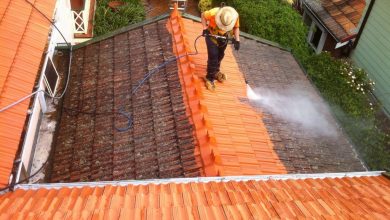
- Low-pressure washing
- Professional soft-wash treatments
Avoid high-pressure washing because it can damage shingles and remove protective granules.
Routine surface cleaning supports faster drying after storms.
Inspect Flashing Around Roof Openings
Flashing protects vulnerable areas where roofing materials meet chimneys, vents, skylights, and walls.
Damaged flashing often causes hidden leaks before visible ceiling stains appear.
Regular inspection helps identify:
- Cracked sealant
- Loose metal edges
- Corrosion
- Improper installation gaps
Maintaining flashing integrity prevents water intrusion at transition points.
Flashing repairs are typically affordable compared to structural restoration costs.
Ensure Proper Insulation Levels
Insulation works together with ventilation to regulate attic temperature. Poor insulation allows heat transfer that stresses roofing materials throughout the year.
Adequate insulation helps:
- Maintain stable roof temperatures
- Prevent condensation buildup
- Improve indoor comfort
- Reduce heating and cooling costs
Balanced insulation systems protect both roofing materials and interior living spaces.
Improved insulation also supports energy efficiency across the home.
Monitor Roof After Major Storms
Severe weather events often cause hidden roofing damage that may not appear immediately.
After storms, check for:
- Missing shingles
- Debris accumulation
- Bent flashing
- Granule loss
- Water stains in attic spaces
Prompt inspection after extreme weather reduces the risk of unnoticed structural deterioration.
Professional evaluations provide the most accurate assessment.
Keep Roof Valleys Clear of Debris
Roof valleys direct large amounts of water during rainfall. When debris accumulates in these areas, drainage slows and moisture collects beneath shingles.
Maintaining clear valleys helps:
- Improve water flow
- Prevent leaks
- Reduce shingle wear
- Protect underlayment layers
Routine debris removal supports long-term roofing performance.
Valley maintenance is especially important in wooded areas.
Avoid Walking on the Roof Unnecessarily
Foot traffic can damage shingles and weaken protective surfaces.
Walking on roofing materials may:
- Crack shingles
- Dislodge granules
- Loosen fasteners
- Shift flashing edges
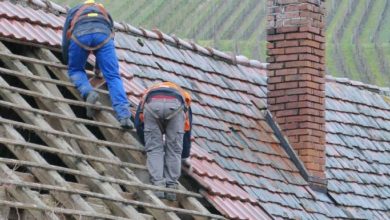
When inspections are necessary, professionals use safe movement techniques to minimize material stress.
Reducing foot traffic helps preserve roofing integrity.
Maintain Chimney and Vent Seals
Sealant around roof penetrations naturally deteriorates over time due to weather exposure.
Monitoring seal condition helps prevent leaks near:
- Chimneys
- Plumbing vents
- Exhaust outlets
- Skylight edges
Replacing aging sealant preserves waterproof protection in vulnerable areas.
These small updates can significantly extend roof lifespan.
Replace Damaged Shingles Promptly
Even one missing shingle can allow moisture beneath surrounding materials.
Replacing damaged shingles helps:
- Maintain waterproof protection
- Prevent structural rot
- Preserve insulation performance
- Reduce interior repair risk
Matching replacement shingles ensures consistent appearance across the roof surface.
Prompt replacement supports overall system durability.
Improve Drainage Around the Home
Roof performance depends partly on ground-level drainage conditions. Poor exterior drainage increases moisture exposure near roofing edges.
Effective drainage improvements include:
- Extending downspouts
- Grading soil away from the home
- Installing splash blocks
- Maintaining foundation slopes
Redirecting water away from the structure reduces stress on roofing components.
Proper drainage protects both roof edges and foundation walls.
Schedule Professional Maintenance Periodically
Even careful homeowners benefit from periodic professional inspections.
Roofing specialists can identify:
- hidden moisture intrusion
- ventilation imbalance
- underlayment deterioration
- flashing weaknesses
- structural movement
Professional maintenance helps detect problems before visible damage appears.
Routine service extends roof lifespan significantly.
Choose Durable Replacement Materials When Needed
When repairs eventually become insufficient, selecting long-lasting materials helps maximize the life of the next roofing system.
Popular durable roofing options include:
- Architectural asphalt shingles
- Metal roofing panels
- Clay tiles
- Composite shingles
Material selection affects maintenance requirements and long-term performance.
Higher-quality materials often provide stronger resistance to weather exposure.
Maintain Records of Roof Maintenance Activities
Tracking inspection dates and repair history helps homeowners manage roofing care more effectively.
Maintenance records support:
- warranty protection
- insurance documentation
- resale confidence
- future planning decisions
Organized documentation strengthens property value and simplifies maintenance scheduling.
Consistent recordkeeping supports proactive homeownership.
Final Thoughts
Extending the life of your roof depends on regular inspections, timely repairs, proper ventilation, effective drainage, and careful surface maintenance. Small preventive actions performed consistently can delay major replacement costs for years while protecting the structural integrity of your home.
By staying attentive to early warning signs and maintaining key roofing components, homeowners can ensure their roofs continue performing reliably through changing weather conditions and seasonal stress.
Frequently Asked Questions
How long can a well-maintained asphalt shingle roof typically last
With proper maintenance, many asphalt shingle roofs can last closer to the upper end of their expected lifespan, often approaching thirty years.
Does roof color affect how long a roof lasts
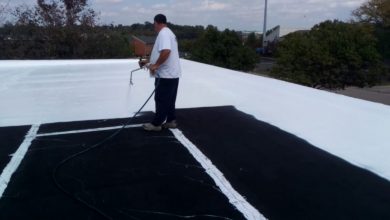
Lighter-colored roofs reflect more sunlight and may experience less heat-related stress compared to darker roofing materials.
Can installing gutter guards help extend roof lifespan
Gutter guards reduce debris accumulation and help maintain consistent drainage performance, which protects roofing edges from moisture damage.
Should attic fans be installed to improve roof longevity
Attic fans can support airflow improvement in certain homes when combined with balanced ventilation systems.
How often should sealant around roof penetrations be replaced
Sealant typically requires inspection every few years and replacement when cracking or separation becomes visible.
Do solar panels affect roof lifespan
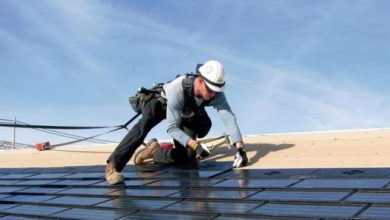
Properly installed solar panels can shield roofing materials from direct sunlight exposure but require professional installation to prevent penetration issues.
Is it safe to perform roof maintenance without professional help
Basic visual inspections from the ground are safe for homeowners, but climbing onto the roof should generally be handled by trained professionals to avoid injury and accidental damage.