

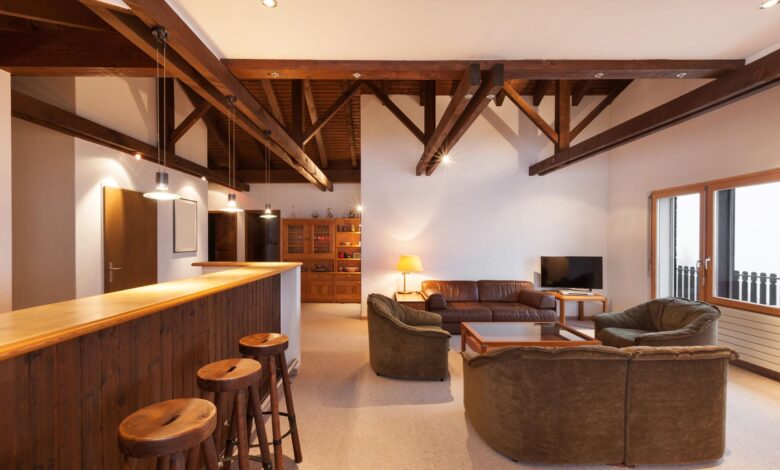
Apartments have become one of the most practical and flexible housing choices in modern cities. Whether located in busy downtown neighborhoods or quieter suburban communities, apartments offer convenience, affordability, and access to shared amenities that traditional houses often cannot provide. For many individuals and families, apartment living supports mobility, lifestyle efficiency, and simplified maintenance responsibilities.
Understanding how apartments function, what features matter most, and how to make the most of available space helps residents create a comfortable and functional home environment that fits both short-term and long-term needs.
What Defines an Apartment
An apartment is a residential unit within a larger building that contains multiple separate living spaces. Each unit typically includes essential rooms such as a kitchen, bathroom, sleeping area, and living area, all designed to function independently.
Apartments vary widely in size, layout, and amenities depending on location, building type, and market demand. They may be rented or owned depending on the structure of the housing development.
Common apartment categories include:
- Studio apartments
- One-bedroom apartments
- Two-bedroom apartments
- Loft apartments
- High-rise apartment units
- Garden-style apartments
Each type supports different lifestyle preferences and household sizes.
Advantages of Apartment Living
Apartments offer several practical benefits that make them appealing to a wide range of residents.
Some of the most notable advantages include:
Lower maintenance responsibility
Most apartment communities handle exterior repairs, landscaping, and shared infrastructure maintenance, reducing the workload for residents.
Access to shared amenities
Many apartment buildings provide:
- Fitness centers
- Parking facilities
- Security services
- Laundry rooms
- Outdoor recreational areas
These shared features enhance convenience without requiring individual ownership costs.
Flexible relocation options
Renting an apartment allows residents to move more easily when career opportunities or lifestyle needs change.
Efficient utility usage
Apartments typically require less energy for heating and cooling compared to standalone homes.
Choosing the Right Apartment Location
Location plays one of the most important roles in determining apartment satisfaction. A well-located apartment improves daily routines and long-term comfort.
Important location factors include:
Proximity to workplaces
Shorter commute times improve productivity and reduce transportation expenses.
Access to public transportation
Reliable transit systems increase mobility and convenience.
Nearby essential services
Residents benefit from living close to:
- Grocery stores
- Healthcare facilities
- Schools
- Restaurants
- Parks
A balanced neighborhood improves overall living quality.
Understanding Apartment Layout Options
Different apartment layouts serve different lifestyles. Selecting the right configuration improves usability and comfort.
Popular layout styles include:
Studio apartments
These units combine sleeping, living, and kitchen areas into one open space. They work well for individuals seeking compact living arrangements.
One-bedroom apartments
These provide separation between living and sleeping areas, offering increased privacy.
Two-bedroom apartments
Ideal for roommates, small families, or residents who need a home office.
Open-plan layouts
These designs remove unnecessary walls to create a more spacious feel and improved natural light flow.
Matching layout choices with daily routines ensures better long-term satisfaction.
Important Features to Look for in an Apartment
Evaluating apartment features before signing a lease or purchasing a unit helps avoid unexpected issues later.
Key features to review include:
- Storage availability
- Natural lighting quality
- Ventilation systems
- Kitchen workspace efficiency
- Bathroom functionality
- Noise insulation
Attention to these details improves everyday comfort and usability.
Apartment Storage Solutions That Maximize Space
Storage plays a major role in keeping apartments organized, especially in compact living environments.
Effective storage strategies include:
Vertical shelving
Wall-mounted shelves free up floor space while increasing storage capacity.
Multi-purpose furniture
Examples include:
- Storage beds
- Folding dining tables
- Convertible sofas
These solutions increase functionality without overcrowding rooms.
Closet organizers
Adding internal shelving improves wardrobe storage efficiency.
Smart storage planning creates a more spacious and comfortable living environment.
Designing a Comfortable Apartment Interior
Interior design influences both appearance and functionality. Even small adjustments can transform an apartment into a welcoming home.
Effective apartment design approaches include:
Using light color palettes
Soft neutral tones create the illusion of larger spaces.
Adding mirrors
Mirrors reflect light and visually expand compact rooms.
Maintaining balanced furniture placement
Avoid blocking pathways or windows to preserve airflow and movement.
Incorporating layered lighting
Combining overhead lighting with table lamps improves comfort and flexibility.
These design techniques help maximize both aesthetics and practicality.
Apartment Safety Considerations
Safety remains a critical factor when choosing or living in an apartment building.
Important safety features include:
- Secure building entrances
- Fire detection systems
- Emergency exits
- Well-lit hallways
- Reliable locks on doors and windows
Checking these elements ensures a safer residential environment.
Managing Utility Costs in Apartments
Apartment residents often benefit from lower utility expenses compared to larger homes, but careful planning can reduce costs even further.
Energy-saving practices include:
- Using energy-efficient lighting
- Managing thermostat settings responsibly
- Installing window coverings to regulate indoor temperature
- Turning off unused electronics
Small daily adjustments help maintain affordable monthly expenses.
Apartment Living for Different Household Types
Apartments support a wide range of living arrangements.
Examples include:
Single professionals
Compact units provide convenience near workplaces and entertainment areas.
Students
Apartments close to educational institutions reduce commuting time.
Small families
Two-bedroom units support privacy while maintaining manageable maintenance responsibilities.
Retirees
Accessible apartments simplify upkeep and reduce physical maintenance demands.
Selecting the right apartment type improves comfort at every life stage.
Understanding Lease Agreements and Responsibilities
Before moving into an apartment, reviewing lease terms carefully prevents misunderstandings.
Typical lease agreement elements include:
- Monthly rent amount
- Security deposit conditions
- Maintenance responsibilities
- Guest policies
- Pet regulations
- Lease duration terms
Understanding these details supports a smoother rental experience.
Apartment Amenities That Improve Daily Living
Amenities influence overall satisfaction and lifestyle convenience.
Highly valued apartment amenities often include:
- Elevators in multi-story buildings
- On-site parking
- Secure package delivery areas
- Community gathering spaces
- Outdoor seating areas
Access to these features enhances both comfort and functionality.
Creating a Sense of Community in Apartment Buildings
Apartment living often encourages interaction among neighbors through shared spaces and activities.
Ways residents build community connections include:
- Participating in building events
- Respecting shared space guidelines
- Communicating respectfully with neighbors
- Supporting community initiatives
Positive interactions improve residential satisfaction and safety.
Preparing an Apartment for Long-Term Comfort
Small upgrades and thoughtful organization can significantly improve apartment living quality over time.
Helpful improvements include:
- Adding area rugs for warmth and sound control
- Installing removable wall décor
- Using indoor plants to improve air quality
- Maintaining organized storage routines
These adjustments support both comfort and personalization without permanent structural changes.
Frequently Asked Questions
1. What is the difference between an apartment and a condominium
An apartment is usually rented from a property owner or management company, while a condominium is individually owned even though it exists within a shared residential building.
2. How much space does an average apartment provide
Apartment sizes vary widely by location, but a typical one-bedroom apartment often ranges between 600 and 900 square feet.
3. Are utilities usually included in apartment rent
Some apartment communities include utilities such as water or trash services, but electricity and internet are often billed separately.
4. What should renters inspect before signing a lease
Renters should check appliance condition, plumbing functionality, lighting quality, and any visible maintenance issues before agreeing to lease terms.
5. Is apartment living suitable for families with children
Many apartment communities are designed with family-friendly layouts, nearby schools, and shared recreational spaces.
6. How can noise be reduced inside an apartment
Using area rugs, curtains, upholstered furniture, and wall décor helps absorb sound and improve indoor comfort.
7. What documents are usually required when applying for an apartment
Applicants typically provide identification, income verification, rental history information, and sometimes references depending on the property requirements.
If you would like a second article focused specifically on luxury apartments, small apartments, or apartment investment strategies, I can prepare that as well.

