
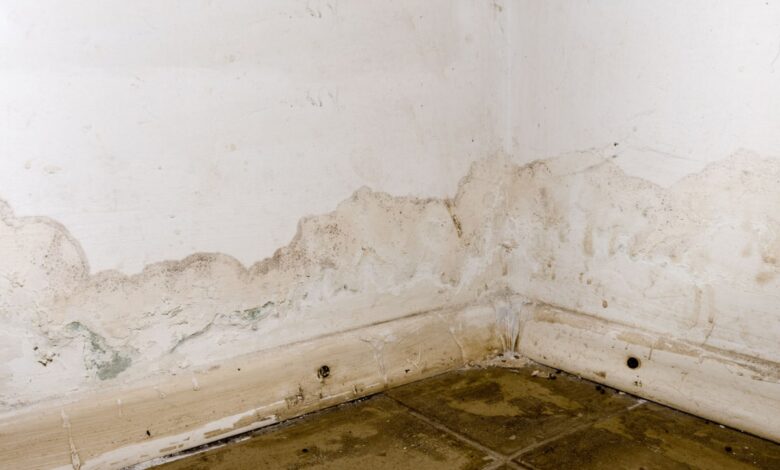
When floodwaters recede, many homeowners believe the worst is over. In reality, a new and often invisible problem begins to grow within hours—mold. This silent invader thrives in moisture-rich environments, particularly in coastal areas where humidity is already high. For residents of North Palm Beach, post-flood mold remediation is not just a cleanup task, but a science-driven process that protects property, health, and structural safety. Companies like DryMedic apply advanced techniques to detect, isolate, and remove mold colonies before they compromise indoor air quality and building integrity.
Understanding the Biology of Mold Growth
Mold is a type of fungus that reproduces through microscopic spores. These spores are always present in the air, waiting for ideal conditions—moisture, warmth, and organic material—to germinate. Flooded homes provide the perfect breeding ground, as damp drywall, wood, and carpeting retain water long after visible drying. Within 24 to 48 hours, spores begin colonizing, and a musty odor signals the start of contamination.
Mold does not just grow on surfaces; it penetrates materials deeply, feeding on cellulose and organic compounds. This makes eradication challenging because spores can hide beneath paint, wallpaper, or floorboards, resurfacing later even after apparent cleaning.
The Science of Moisture and Humidity Control
Mold requires sustained humidity above 60% to survive. Effective remediation, therefore, begins with environmental control. Professionals measure relative humidity using hygrometers and deploy industrial-grade dehumidifiers to stabilize moisture levels. In coastal climates like North Palm Beach, the challenge is maintaining indoor humidity below this threshold while avoiding structural drying that could damage finishes or woodwork.
Advanced remediation involves psychrometric analysis—a method that evaluates air temperature, vapor pressure, and dew point to determine optimal drying conditions. This ensures that the air absorbs excess moisture without promoting secondary condensation elsewhere in the structure.
Common Mold Species Found After Flooding
Different molds appear under different environmental conditions. Recognizing the species helps professionals select the correct treatment.
-
Aspergillus: Common indoors, thrives on damp walls and fabrics, and produces airborne spores that trigger allergies.
-
Cladosporium: Found on wood and carpet; often survives even in cooler temperatures.
-
Stachybotrys chartarum (Black Mold): Grows on cellulose materials such as drywall and insulation, producing mycotoxins that can harm human health.
-
Penicillium: Spreads quickly across porous materials, contributing to indoor air contamination.
Understanding the biological behavior of these molds allows specialists to tailor containment and removal techniques specific to the infestation.
Why Surface Cleaning Is Not Enough
Wiping visible mold or spraying disinfectant may remove discoloration but not the underlying spores. Mold colonies grow within porous surfaces and air ducts, spreading through HVAC systems. Without professional containment and negative air pressure systems, spores can relocate and recontaminate other areas. This is why professional remediation involves sealing off affected zones and using HEPA-filtered air scrubbers that trap microscopic particles during cleanup.
The Role of Airflow Engineering in Mold Remediation
Controlled airflow is one of the most critical elements in mold removal. Restoration teams create negative pressure environments using specialized equipment that prevents airborne spores from escaping the contaminated area. Airflow direction is meticulously managed so that every cubic foot of air passes through HEPA filtration before being exhausted outside.
Air changes per hour (ACH) are also calculated to maintain safe breathing conditions. This technical precision ensures that remediation is both effective and compliant with environmental safety standards.
Modern Detection and Remediation Technologies
Today’s remediation process is driven by scientific innovation. Thermal imaging cameras detect moisture pockets behind walls without invasive tearing. Moisture mapping software visualizes contamination spread in real-time, helping technicians strategize containment zones. In addition, fogging systems disperse antimicrobial agents that neutralize spores in hard-to-reach cavities.
Enzyme-based cleaners, which break down mold cell structures at the molecular level, are replacing harsh chemical disinfectants. These eco-friendly alternatives not only protect surfaces but also minimize toxicity for occupants and restoration workers.
Health and Environmental Impacts of Mold Exposure
Prolonged exposure to mold can cause respiratory problems, allergic reactions, and neurological symptoms, especially in sensitive individuals. Mycotoxins from black mold can impair immune function and irritate mucous membranes. In addition to human health, mold impacts indoor environments by deteriorating insulation, warping wood, and corroding metal fixtures. Early detection and professional remediation prevent these cascading effects and protect long-term structural stability.
How Professional Remediation Differs from Standard Cleaning
The distinction between professional mold remediation and general cleaning lies in methodology, certification, and long-term effectiveness. Certified restoration teams follow IICRC (Institute of Inspection Cleaning and Restoration Certification) standards, using systematic approaches that include:
-
Inspection and Sampling: Identifying mold species through lab testing.
-
Containment: Creating barriers and negative air zones.
-
Air Filtration: Deploying HEPA scrubbers and filters to capture airborne spores.
-
Removal and Disposal: Safely removing contaminated materials under strict handling protocols.
-
Sanitization and Restoration: Applying antifungal agents and repairing damaged structures.
This structured process ensures mold is eliminated at the source, not just masked on the surface.
Long-Term Prevention Strategies for Coastal Homes
Prevention is as important as remediation. Homeowners can significantly reduce mold risks by managing humidity and ensuring proper ventilation. Installing dehumidifiers, sealing windows, and using moisture-resistant paints are practical measures. Regular HVAC maintenance prevents spores from spreading through ducts, while smart humidity sensors can provide real-time alerts when moisture exceeds safe levels.
Professionals often recommend waterproofing basements and crawl spaces, particularly in flood-prone zones. Routine inspections following heavy rain or hurricanes ensure early detection of hidden leaks or water intrusion.
Conclusion
Mold growth after flooding is more than an aesthetic issue; it is a biological and structural threat that requires scientific precision to manage effectively. The key to successful remediation lies in understanding how moisture, materials, and airflow interact. Professional restoration specialists use advanced diagnostics, controlled environments, and targeted treatments to eradicate mold at its roots. For homeowners in humid coastal regions, this expertise ensures a safer, healthier living space and long-term structural preservation.
FAQs
Q: How soon after a flood does mold begin to develop?
A: Mold can start growing within 24 to 48 hours if moisture is not removed. Rapid drying and dehumidification are essential to prevent colony formation.
Q: Can mold grow behind walls even if the surface looks dry?
A: Yes, drywall and insulation often trap moisture internally. Mold can thrive behind surfaces where air circulation is limited.
Q: Are ozone treatments safe for mold removal?
A: Ozone can neutralize odors but does not kill mold at the root. Professional HEPA filtration and antimicrobial cleaning are far more effective and safer.
Q: How often should a home in coastal Florida be inspected for mold?
A: Annual professional inspections are ideal, especially after heavy rain seasons or flooding events.
Q: What’s the difference between mold removal and remediation?
A: Mold removal targets visible growth, while remediation eliminates spores, prevents recurrence, and restores the environment to safe conditions.