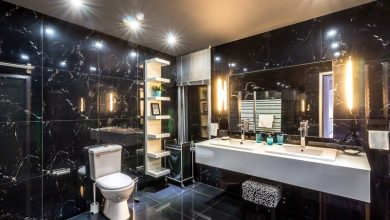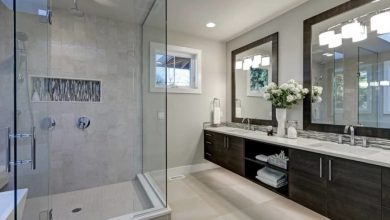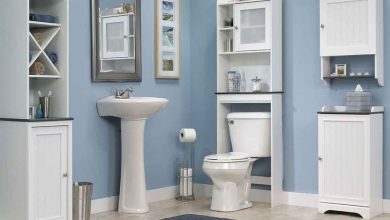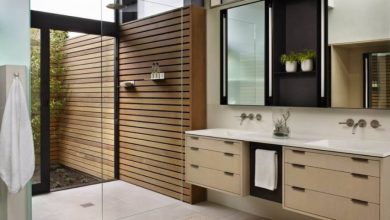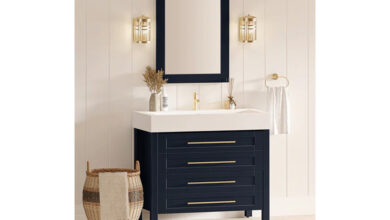

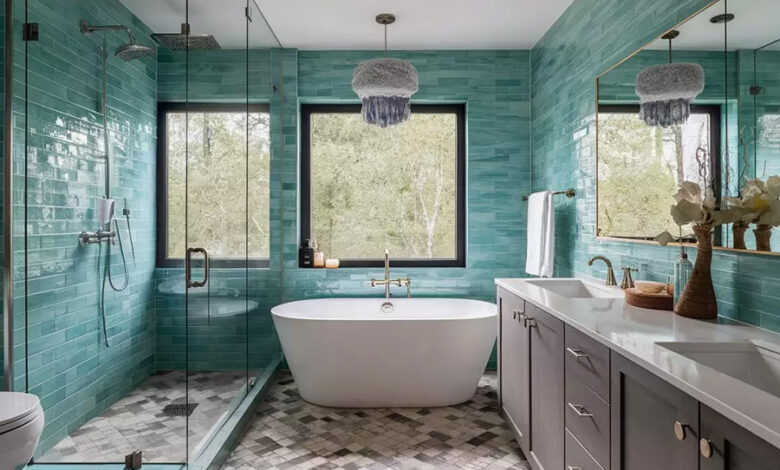
A bathroom is one of the most frequently used spaces in any home, yet it is often overlooked when planning comfort, aesthetics, and functionality. Today’s bathrooms serve more than basic hygiene needs. They function as personal retreats, wellness zones, and reflections of individual style.
Designing a bathroom thoughtfully improves daily routines, increases property value, and enhances overall living quality. Whether planning a renovation or organizing an existing space, understanding the essential components of bathroom design helps create a balanced and efficient environment.
The Importance of a Well-Designed Bathroom
A bathroom supports multiple daily activities including grooming, relaxation, and storage. A properly designed layout ensures smooth movement, better hygiene, and visual harmony.
Key benefits of an optimized bathroom include:
- Improved comfort and accessibility
- Better storage efficiency
- Enhanced property value
- Reduced maintenance issues
- Increased safety through smart fixture placement
Modern bathroom planning focuses on combining practicality with visual appeal.
Essential Bathroom Layout Considerations
The layout forms the foundation of any functional bathroom. Whether the space is compact or spacious, strategic placement of fixtures ensures convenience.
Common bathroom layout elements include:
Toilet placement
Positioning the toilet slightly away from the entrance maintains privacy and improves visual flow.
Sink positioning
The sink typically becomes the focal point and should allow enough surrounding counter space for daily essentials.
Shower or bathtub area
Separating wet and dry zones prevents water spread and protects flooring materials.
Door clearance
Doors should open without blocking fixtures or pathways.
Efficient layouts create smooth movement without overcrowding the room.
Choosing the Right Bathroom Fixtures
Fixtures determine both usability and style. Selecting durable and functional pieces ensures long-term satisfaction.
Popular fixture choices include:
- Wall-mounted sinks for compact bathrooms
- Dual vanities for shared bathrooms
- Walk-in showers for accessibility
- Freestanding tubs for luxury appeal
- Water-saving toilets for sustainability
Quality fixtures reduce maintenance costs while improving performance.
Storage Solutions That Maximize Space
Storage plays a major role in keeping bathrooms organized and clutter-free. Even small bathrooms can feel spacious with the right storage strategy.
Effective storage options include:
Floating shelves
These create vertical storage without consuming floor space.
Vanity cabinets
They provide concealed storage for toiletries and cleaning supplies.
Recessed wall niches
Perfect for storing shower essentials without adding bulk.
Over-the-toilet storage units
Useful for towels and backup supplies.
Smart storage maintains cleanliness and improves usability.
Selecting Bathroom Materials for Durability
Bathrooms experience high moisture levels, making material selection critical. Moisture-resistant surfaces extend lifespan and maintain appearance.
Recommended bathroom materials include:
- Porcelain tiles for flooring
- Ceramic wall tiles for splash protection
- Quartz countertops for durability
- Tempered glass shower panels
- Waterproof laminate cabinetry
Choosing the right materials prevents long-term damage from humidity and daily use.
Lighting Strategies That Improve Function and Atmosphere
Lighting affects both safety and comfort. A layered lighting approach works best in bathrooms.
Essential lighting types include:
Ambient lighting
Provides overall illumination across the room.
Task lighting
Placed around mirrors for grooming activities.
Accent lighting
Highlights architectural features or decorative elements.
Natural light also improves ventilation and creates a welcoming environment.
Ventilation: A Critical Yet Overlooked Feature
Proper ventilation prevents mold growth, removes excess moisture, and protects fixtures from deterioration.
Effective ventilation solutions include:
- Exhaust fans with humidity sensors
- Operable windows when possible
- Ceiling vents connected to airflow systems
Good airflow extends the life of bathroom finishes and improves indoor air quality.
Color Choices That Influence Bathroom Mood
Color plays a powerful role in shaping how a bathroom feels. Light shades create openness, while darker tones add sophistication.
Popular bathroom color palettes include:
- White and soft gray for a clean appearance
- Beige and warm neutrals for comfort
- Navy and charcoal for modern elegance
- Earth tones for natural appeal
Combining neutral bases with subtle accents keeps the space visually balanced.
Flooring Options for Safety and Style
Bathroom flooring must resist water while remaining slip-resistant and easy to clean.
Suitable flooring materials include:
- Textured porcelain tiles
- Vinyl waterproof planks
- Natural stone with sealing treatment
- Mosaic tiles for shower floors
Slip-resistant flooring improves safety for all age groups.
Incorporating Modern Bathroom Technology
Technology enhances both convenience and efficiency in contemporary bathrooms.
Popular upgrades include:
- Motion sensor lighting
- Heated flooring systems
- Smart mirrors with built-in lighting
- Touchless faucets
- Digital shower temperature controls
These features improve comfort while conserving water and energy.
Designing Bathrooms for Accessibility
Bathrooms designed with accessibility in mind serve users of all ages and abilities.
Accessibility-friendly features include:
- Walk-in showers without thresholds
- Grab bars near toilets and showers
- Wider doorways for mobility equipment
- Adjustable-height shower heads
- Non-slip flooring surfaces
Planning accessibility early prevents costly modifications later.
Keeping Bathrooms Hygienic and Easy to Maintain
Cleanliness plays a central role in bathroom usability. Selecting easy-to-maintain finishes reduces cleaning effort.
Maintenance-friendly strategies include:
- Installing large-format tiles to reduce grout lines
- Choosing wall-mounted fixtures for easier floor cleaning
- Using mold-resistant paint
- Selecting stain-resistant countertops
Routine upkeep preserves appearance and functionality over time.
Adding Personal Style Without Overcrowding the Space
Decorative touches transform a functional bathroom into a relaxing retreat.
Simple styling ideas include:
- Coordinated towel sets
- Minimal wall artwork
- Indoor humidity-friendly plants
- Decorative mirrors
- Neutral-toned accessories
Balanced decoration enhances comfort without creating clutter.
Increasing Home Value Through Bathroom Improvements
Bathroom upgrades consistently rank among the most valuable home improvements.
Value-boosting improvements include:
- Replacing outdated fixtures
- Improving lighting systems
- Updating cabinetry
- Installing modern tile surfaces
- Enhancing ventilation systems
Even small improvements can significantly increase resale appeal.
Creating a Relaxing Bathroom Environment
A bathroom can become a calming personal space with thoughtful design choices.
Comfort-enhancing features include:
- Soft lighting layers
- Neutral color palettes
- Quiet ventilation systems
- Warm flooring materials
- Organized storage layouts
A well-designed bathroom supports both physical comfort and mental relaxation.
Frequently Asked Questions
1. What is the ideal size for a residential bathroom?
A standard full bathroom typically requires at least 35 to 40 square feet, though smaller layouts can still function efficiently with careful planning.
2. How often should a bathroom be renovated?
Most bathrooms benefit from renovation every 10 to 15 years depending on fixture condition, material durability, and changing household needs.
3. Which bathroom fixture should be upgraded first during remodeling?
Replacing outdated sinks, toilets, or showers usually delivers the greatest improvement in both appearance and functionality.
4. Are walk-in showers better than bathtubs?
Walk-in showers offer accessibility and space efficiency, while bathtubs remain useful for families with young children or relaxation purposes.
5. What type of lighting works best for bathroom mirrors?
Bright, evenly distributed task lighting placed beside or above mirrors improves visibility for grooming activities.
6. How can a small bathroom feel larger?
Using light colors, wall-mounted fixtures, mirrors, and vertical storage solutions helps create the illusion of more space.
7. What flooring material lasts the longest in bathrooms?
Porcelain tile is one of the most durable and water-resistant flooring choices available for residential bathrooms.
If you would like a second version tailored for homeowners, renters, interior designers, or real estate audiences, I can prepare that as well.